
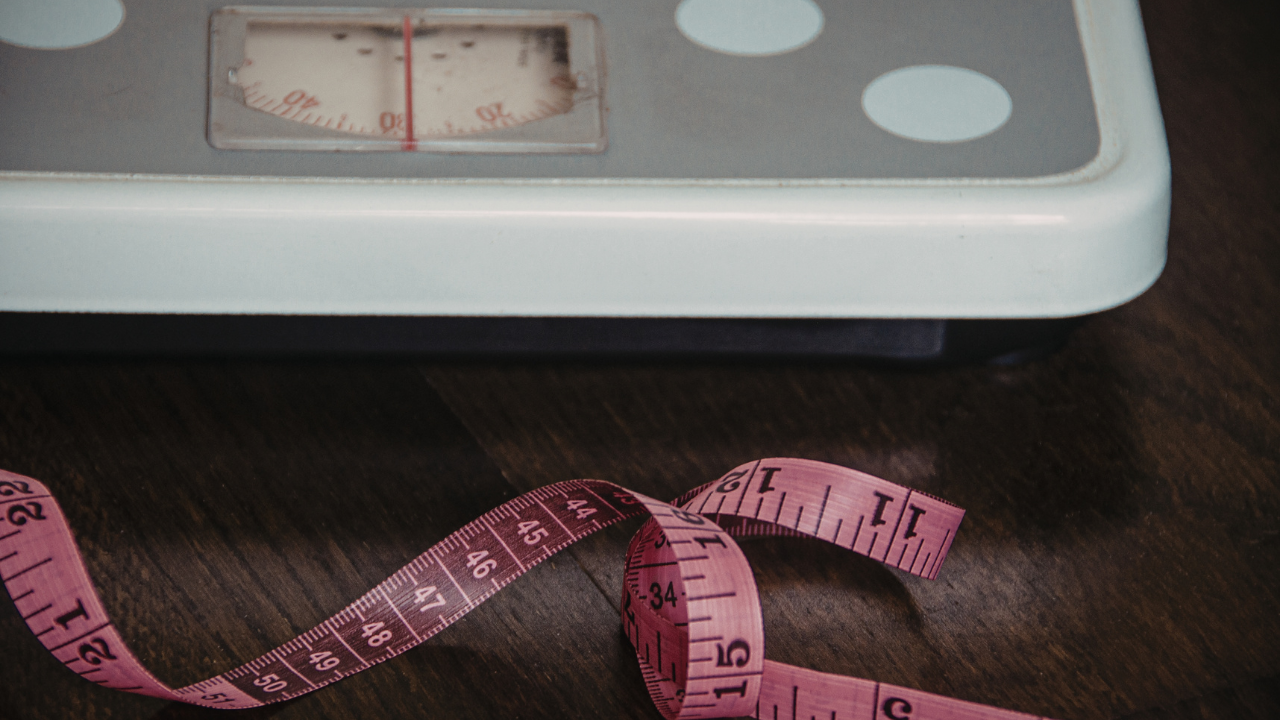
If you feel like your body has suddenly changed without your permission, you’re not imagining it.
Many women reach their 40s or 50s and say the same thing:
“I haven’t changed how I eat… so why am I gaining weight?”
The truth is — menopause changes the internal environment of your body. And the strategies that worked in your 20s and 30s often stop working in midlife.
Let’s break down why.
1. Declining Oestrogen Changes Fat Storage
As oestrogen levels fall during perimenopause and menopause, your body naturally becomes more likely to store fat around the abdomen.
This isn’t about willpower. It’s biology.
Oestrogen previously helped regulate where fat was stored (often hips and thighs). When levels drop, fat distribution shifts towards the midsection. This is partly protective — but it can feel frustrating and unfamiliar.
2. Your Metabolism Is Adapting
From around our mid-30s onwards, we naturally lose muscle mass if we don’t actively work to maintain it.
Muscle is metabolically active tissue. Less muscle = slightly lower calorie burn at rest.
If strength training hasn’t been part of your routine, this could be contributing to gradual weight gain — even if your food intake hasn’t changed.
3. Blood Sugar Becomes More Sensitive
Hormonal shifts can increase insulin resistance during menopause.
This means your body may not process carbohydrates as efficiently as it once did. Energy crashes, increased cravings and fat storage can follow — especially if meals are low in protein or fibre.
This is often why women say:
“I’m eating the same as always, but it’s affecting me differently.”
Because hormonally, it is.
4. Stress and Cortisol Increase Fat Retention
Midlife is often a high-pressure season of life — careers, ageing parents, teenagers, lack of sleep.
Chronic stress elevates cortisol, and consistently high cortisol encourages abdominal fat storage and increased cravings for quick-energy foods.
Add poor sleep (very common in menopause), and hunger hormones become disrupted too.
5. Dieting Can Make It Worse
Many women respond to weight gain by eating less and exercising more.
But in menopause, extreme calorie restriction and excessive cardio can increase stress hormones, slow metabolism further and worsen fatigue.
This is where the cycle of “trying harder but seeing less progress” begins.
So What Actually Works During Menopause?
Instead of fighting your body, the goal is to support it.
Sustainable menopause weight management focuses on:
• Prioritising protein at every meal
• Strength training to preserve muscle
• Stabilising blood sugar
• Managing stress effectively
• Supporting sleep quality
• Avoiding extreme dieting
It’s not about eating less.
It’s about eating strategically.
It’s not about exercising harder.
It’s about exercising smarter.
The Reassuring Truth
Weight gain during menopause is common — but it is not inevitable.
With the right approach, you can reduce abdominal fat, improve energy, feel stronger and regain confidence in your body.
You just need a plan designed for this stage of life.
If you’re ready for practical, step-by-step guidance tailored specifically for menopause, my Practical Guide to Weight Loss During Menopause provides a structured, sustainable approach that works with your hormones — not against them.
Because midlife isn’t about shrinking yourself.
It’s about supporting yourself properly.